
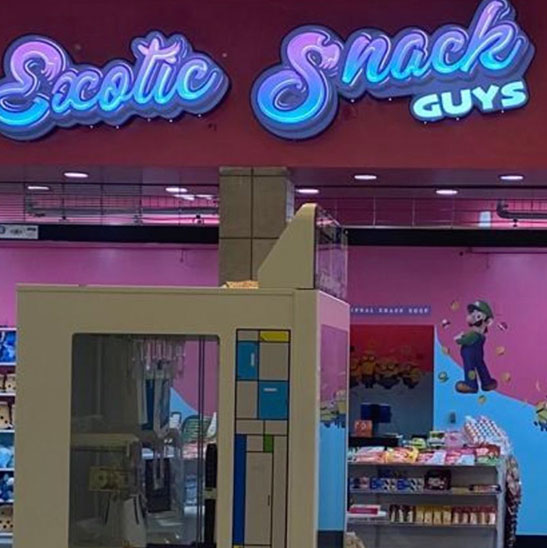
Rebranding can feel like a fresh start. New logo, new colors, new tone, and a new way to show up in public. Yet the most “public” part of your brand is often the most overlooked: your signs.
A sign is not just decoration. It is a promise, a shortcut to trust, and a signal that tells people what to expect before they even walk in. When a rebrand updates signs the right way, it can lift walk-ins, improve first impressions, and make returning customers feel proud to come back. On the other hand, when rebranding signs are rushed or inconsistent, customers can feel lost, unsure, or even worried that they arrived at the wrong place.
This guide breaks it down in plain language, so you can get the upside of a rebrand without the confusion.
Why Signs Matter More During A Rebrand
During a rebrand, customers are already processing change. People notice shifts in name, colors, and style faster than you might expect. In that moment, your signage becomes the anchor that makes the change feel clear and safe.
Here is what’s in it for you right away:
More people recognize you faster, even with new branding.
Fewer missed visits, because customers can find the entrance without second-guessing.
Stronger trust, because your look matches your message.
Better word-of-mouth, because people can describe you and tag you easily.
Also, signs do something digital ads cannot do as well. They work every hour your building exists. They influence new customers who never searched online and only noticed you while driving or walking by.
How Rebranding Signs Can Boost Sales
When a rebrand is paired with smart signage, the impact shows up in daily behavior. People hesitate less. They enter more confidently. They come back more often. That is what sales growth looks like in real life.
1) You Reduce “Drive-By Doubt.”
A lot of people decide in seconds whether to pull in or keep going. If your new sign is easier to read, better lit, and clearly placed, you earn more of those quick decisions.
Small improvements that often lead to more visits:
Larger, cleaner lettering that stays readable at speed
Better contrast between letters and background
Lighting that makes the sign visible at dusk and on cloudy days
Placement that lines up with how cars and pedestrians approach
2) You Match Expectations Before Customers Step Inside
A modern brand look with an outdated sign creates a mismatch. That mismatch quietly weakens confidence. When your sign matches your new brand style, customers feel like the business is consistent and cared for.
That consistency can support:
Higher trust for first-time buyers
More comfort for families and older customers
A smoother “first visit” experience for referrals
3) You Make Returning Customers Feel Included, Not Surprised
Regulars often form an emotional bond with a place. A rebrand that includes clear signage signals growth without making them feel pushed out. When the new sign still feels connected to what they loved, people keep returning, and they talk about the change in a positive way.
Practical ways to keep that connection:
Keep one familiar brand element, like a signature shape or icon
Use the same business name in a prominent spot, even if the logo changes
Roll out changes in a way that feels planned, not random
4) You Improve Recall
Sales often follow memory. If your sign becomes more distinct and readable, people remember you when they need what you sell. They also describe you more clearly to friends.
Clear recall comes from:
A strong, simple logo
Fewer fonts
Spacing that lets letters breathe
A layout that feels calm, not crowded
How Rebranding Signs Confuse Customers
Confusion usually comes from gaps. Not big mistakes, but small ones that pile up. The goal is to spot these gaps early so your rebrand looks intentional instead of messy.
1) Too Many Versions Of The Brand In Public
If your building sign, window graphics, and interior signs all show different logos or colors, customers get mixed signals. They may wonder if the business changed owners, moved, or closed.
Common causes:
A new building sign goes up, but old window decals stay
Social media shows one logo, while the storefront shows another
The old name is still printed on door hours or directional signs
2) A New Sign That Is Harder To Read Than The Old One
Rebranding sometimes pushes style over clarity. Thin fonts, low contrast, or overly artistic letter shapes can look nice on a screen and fail in real-world viewing.
Readability issues that lead to lost visits:
Light-colored letters on a light background
Script fonts that look tangled at a distance
Tight spacing that turns words into a blur
Logos that dominate while the business name shrinks too much
3) The Sign Says Something Different Than The Building Experience
Customers trust signals that match. If your new sign looks high-end but the interior still carries old branding, worn menus, or mismatched colors, people feel a gap between promise and reality. That gap can reduce confidence and shorten visits.
4) The Change Happens With No Visual Bridge
Even if you never announce your rebrand, people still need a visual bridge. Without one, regulars can drive past and miss you for weeks.
A visual bridge can be as simple as:
A temporary window message stating the new brand name next to the old one
A short tagline that explains the shift in plain words
A consistent icon used across exterior and interior signs during the transition
No dramatic marketing is needed. Clarity does the work.
A Simple Rebranding Sign Plan That Keeps People Confident
A good plan saves money because it prevents re-dos and patchwork fixes. It also saves reputation because customers experience the change as smooth and thoughtful.
Step 1: List every sign customers see
Make a quick inventory:
Building sign
Monument sign, if you have one
Lighted box sign, if you use one
Channel letters, if your name is mounted in 3D letters
Window decals and door hours
Parking and directional signs
Interior menu boards, lobby signs, or wayfinding signs
This step matters because customers judge consistency, not just the main sign.
Step 2: Choose What Changes Now Vs. Later
Some signs affect sales more immediately than others. Your exterior visibility usually comes first. Interior signs can follow as long as they do not clash.
A practical order many businesses use:
Exterior sign first
Door and window graphics next
Interior brand sign after
Wayfinding and smaller details last
Step 3: Protect Readability As A Non-Negotiable Rule
A rebrand succeeds when it is easy to understand. Readability is not boring; it is profitable.
Keep these rules tight:
High contrast
Clean spacing
Simple letter shapes
Lighting that supports your operating hours
Step 4: Keep The Transition Visually Connected
Even when the new look is a big change, the customer experience can still feel familiar.
Strong transition tactics:
Keep a recognizable color as an accent
Keep the business name large and clear
Use the same logo mark everywhere during the rollout
Step 5: Check Lighting And Placement In Real Conditions
A sign can look great at noon and disappear at dusk. It can look fine from one angle and vanish from the direction most traffic comes from. A real-world check prevents disappointment.
Focus on:
Daylight, dusk, and nighttime visibility
Viewing distance from the road
Sightlines blocked by trees, poles, or building edges
Rebranding Signs And Trust
Trust is often the real reason signs impact sales. People buy from businesses that feel stable and clear. A rebrand can strengthen that feeling, yet it can also weaken it if the outside signals feel confusing.
Trust grows when customers see:
Consistency across every sign they touch
A clear business name, not hidden by design
A sign that looks maintained, not patched together
A look that fits your audience and your location
That trust leads to better first visits, more repeat visits, and more referrals.
Final Verdict
Rebranding signs can increase sales when the new look is consistent, readable, and rolled out with a clear visual bridge. Confusion happens when the transition is messy, versions clash, or style becomes harder to read in the real world. When you treat signage like the front-line communication tool it is, customers feel confident, and the new brand lands smoothly.
For businesses in and around Duluth, GA, and nearby areas, Ali Express Signs supports rebranding signage with options like channel letters, lighted box signs, reverse-lit letters, monument signs, and sign restoration, which helps businesses update their look without leaving customers guessing.