
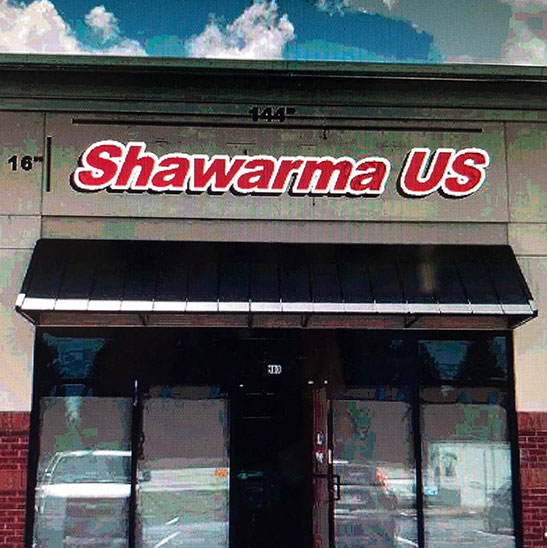
A customer turns off the main road. Their eyes do a quick scan. Their brain wants one thing right away: a clear signal that says you are right here. In that tiny window, they are not studying your building. They are not reading your website. They are not comparing logos. They are simply trying to spot you fast and feel confident they picked the right entrance.
When that fast moment fails, something painful happens. The customer slows down, second-guesses, and keeps rolling. Then they loop back, get annoyed, show up late, or give up and go somewhere easier. That one missed turn looks small, yet it quietly steals revenue, reviews, and repeat visits.
This is where monument signs earn their keep. A monument sign sits low, solid, and steady near the street. It does one job better than almost anything else, it turns “Where is it” into “There it is” in a blink. Therefore, if people cannot find you in about five seconds, the problem is rarely your location. Most of the time, it is the sign system, meaning design, placement, readability, lighting, and upkeep.
The Five-Second Moment That Decides Everything
People do not arrive with unlimited patience. They arrive with a schedule, a child in the back seat, a phone buzzing, and a mind already busy. As a result, the best signage respects their time.
That five-second moment usually includes these steps, all happening quickly and without effort:
They spot the property edge from the road
They see a clear name that matches what they searched
They confirm they can turn in safely
They feel sure they are not entering the wrong lot
They commit to pulling in without stress
When those steps flow smoothly, your location feels simple. Meanwhile, when any step breaks, your location feels hard, even if you are technically easy to reach.
What A Monument Sign Does That Other Signs Cannot
A building sign can look great, yet it often sits too far back, too high, or too busy for quick reading from the road. Window graphics can help, yet they depend on being close enough to see. Yard signs can work for short campaigns, yet they rarely feel permanent or clear at speed.
A monument sign, on the other hand, is built for first-contact clarity. It usually sits near the driveway line and faces traffic. Because of that, it can guide drivers before they pass the entrance.
A strong monument sign gives you real benefits right away:
Fewer missed turns, which means fewer late arrivals and fewer irritated walk-ins
More confident first-time visits, which lifts trust before anyone speaks to your staff
Better curb appeal, which supports pricing power and perceived quality
Stronger local memory, which keeps you top of mind in the neighborhood
The Real Reasons People Miss Your Sign
Most “hard to find” locations share a small set of root causes. The good news is that these issues are fixable without making things complicated.
Too Much Text, Too Little Clarity
Drivers cannot read a paragraph from the road. Therefore, a monument sign wins with fewer words and stronger hierarchy.
Keep the top line for your main name. Then keep the next line for one helpful detail, like suite, entrance arrow, or a simple service category. After that, stop.
A clear layout often follows this pattern:
Biggest text: business name
Medium text: one descriptor or tenant name if needed
Small text: address number only when it truly helps
Optional: a simple directional arrow when the driveway is tricky
Weak Contrast That Melts Into The Background
If your letters do not stand out against the background, the sign becomes invisible at speed. Similarly, fancy color combinations can look nice up close but fail from the road.
High contrast is simple. Dark letters on a light background or light letters on a dark background. Also, keep the background clean so the text stays dominant.
Lettering That Is Too Thin Or Too Fancy
Thin scripts and tight spacing feel stylish on paper, yet they disappear in real life. As a result, the sign becomes decoration instead of guidance.
Select lettering that stays readable when you squint. Choose spacing that lets each letter breathe. Choose strokes thick enough to hold up at a distance.
Placement That Hides The Sign When It Matters Most
A monument sign can be well designed and still fail if it is blocked by bushes, parked cars, utility boxes, or a slope in the land. Therefore, placement is part of the message.
Common placement issues include:
The sign sits too far back from the road
The sign faces the wrong traffic direction
Landscaping grows up and covers key lines
Cars routinely park in front of the sign
The sign is set lower than the road grade
Fixing placement can be as powerful as replacing the sign face, because visibility is the whole game.
Lighting That Leaves You Invisible At Dusk
Many customer trips happen in the early morning or early evening. If the sign disappears when the sun drops, your best hours become your weakest hours.
For monument signs, lighting choices usually come down to internal illumination, external fixtures, or reflective materials. Each option can work, yet the goal stays the same, a clean, even read without harsh glare.
A Sign That Looks Old, Faded, Or Patched
People make fast judgments. When a sign face is faded, cracked, or peeling, it sends a signal of neglect. Even worse, a patched sign can create doubt, especially when the name or logo does not match what people saw online.
Regular cleaning and timely face updates protect trust. Therefore, maintenance is not cosmetic. It is a conversion.
A Practical Readability Checklist That Delivers Results
This is a simple way to think about monument sign performance. Each item protects that five-second moment.
Distance: The sign reads from the road without slowing down to a crawl
Simplicity: The sign communicates the name with minimal extra words
Contrast: The letters stand out clearly in sun, shade, and cloudy weather
Spacing: The letters are not crowded, and the lines have breathing room
Angle: The sign faces the main flow of traffic, not the parking lot
Height: The sign sits high enough to clear typical landscaping, yet still feels grounded
Night visibility: The sign remains readable in the evening
Condition: The face, trim, and base look cared for and consistent
When these points are handled, customers find you faster. As a result, your staff spends less time giving directions, and your first impression improves before the door opens.
Monument Sign Mistakes That Quietly Cost Money
Some problems do not look dramatic, yet they drain results every day.
A logo that dominates while the business name shrinks
A glossy face that reflects sunlight and washes out text
Too many tenant names fighting for attention with equal size
A digital panel that is too bright at night, causing glare
A base color that matches the dirt, brick, or shrubs behind it
Copy that includes extra words like “welcome” instead of useful info
Each mistake reduces clarity. Therefore, each mistake increases friction. Friction is the enemy of walk-ins and appointments.
Simple Upgrades That Create Immediate Wins
Not every property needs a full rebuild. In many cases, a targeted update creates a noticeable improvement.
Here are upgrades that often deliver fast impact:
Replacing a faded face with a cleaner, higher-contrast layout
Increasing letter height and using a more readable font style
Adding internal LED lighting for steady night visibility
Trimming or redesigning landscaping to protect sight lines
Adjusting the angle so the sign faces the right approach lane
Removing extra copy so the name becomes the hero again
Small changes can make the sign feel new, even when the structure stays the same. Meanwhile, the customer experience shifts immediately, because the property becomes easy to find.
The Payoff That Shows Up Every Day
This is not about “having a sign.” This is about removing uncertainty from the customer’s path.
When your monument sign works, you get benefits that show up in daily operations:
More on-time arrivals, which protects schedules and staff flow
Fewer lost calls, which saves your front desk time
More walk-ins, which boost the value of your location
Better first impressions, which support trust and repeat visits
Fewer negative comments about being hard to locate
That is the real win. People feel guided. People feel confident. People show up ready to buy, not already irritated.
Final Verdict
A customer’s first five seconds near your property decide whether your location feels easy or exhausting. Therefore, a clear, well-placed monument sign acts like a silent welcome that reduces confusion and builds trust before the first hello. For businesses that want that kind of clear street presence, Ali Express Signs offers monument signs and related sign work, backed by over 10 years as a local company and support like cleaning and restoring older signs.